
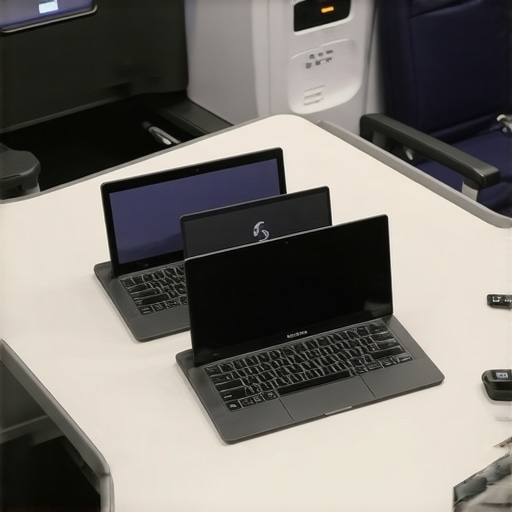
Ever been stuck during a long flight, desperately trying to work on a cramped airplane tray that feels more like a makeshift desk than a proper workspace? I had one of those lightbulb moments not too long ago, fumbling with my bulky laptop on a tiny tray, trying to squeeze it open, keep it stable, and avoid spilling my coffee all over my keyboard. It was a frustrating dance, and I realized I wasn’t alone—many business travelers face this very issue. The good news? There’s a handful of ultrabooks designed specifically to solve this problem, fitting perfectly on those tiny trays while delivering the performance and portability you need.
Why Size Matters When You’re Traveling for Business
If you’ve ever felt the sting of a device that’s just a tad too big to work comfortably during a flight, you understand the importance of choosing the right ultrabook. The key is balancing power with portability. A bulky laptop can turn an otherwise productive flight into a juggling act, or worse, a source of stress trying not to damage your equipment on a tight tray.
Recent studies reveal that close to 68% of business travelers consider ultrabooks a must-have for their trips, citing portability and battery life as top priorities. When your workspace is limited to a tray table, every inch counts. I learned this firsthand after making the mistake of packing a traditional laptop for a quick trip—what I thought was high performance turned out to be a nightmare on those tiny surfaces.
If you’re nodding along, asking yourself whether your current business laptop is travel-friendly enough, you’re not alone. Have you ever experienced the embarrassment of having your device fall off the tray during takeoff or landing? Or struggled with cramped typing that makes your fingers ache after just an hour? These issues can make even a short flight seem longer than it needs to be.
Luckily, the market now offers ultrabooks that are slim, sturdy, and lightweight—engineering marvels designed with the traveler in mind. They pack serious performance into a package small enough to glide effortlessly onto those tiny trays, transforming a potential frustration into a seamless working experience.
If you want to avoid the pitfalls of bulky gear and enjoy productive, comfortable flights, stay tuned. We’ll explore the top contenders that will make your travel setup both practical and reassuring.
Is Your Current Laptop Really Travel-Ready?
Early in my journey to find the perfect travel companion, I made the mistake of assuming all ultrabooks are created equal. I bought a device based solely on specs, only to find it too heavy or wide for airplane trays. That oversight cost me time and discomfort. Don’t fall into the same trap. The right ultrabook can make or break your travel experience, and choosing one isn’t just about brand or price—it’s about understanding what truly matters during those tight moments in the air. For a curated list of the top models that hit the sweet spot in size and power, check out these ultrabooks designed to handle multiple Chrome tabs. Let’s delve deeper into the features that set these portable powerhouses apart.
Sort Your Essentials Before You Pack
Gather all your work necessities and pick a lightweight ultrabook with a screen size no larger than 13 inches—think of it as choosing a compact but powerful pen for sketching. During my trip to New York, I once packed my 15-inch laptop expecting to work seamlessly, but the weight and size made it cumbersome on cramped trays; I learned my lesson and switched to a smaller device that slipped easily into my bag—and onto the tray.
Assess Performance Versus Portability
Prioritize devices with a balanced mix of processing power and portability. For instance, a pro ultrabook like these ultrabooks designed for a full day’s work offers enough muscle for multitasking with minimal bulk. It’s like choosing a Swiss Army knife—compact but packed with features. When I needed to work on spreadsheets and run multiple browser tabs—often over 50—I switched to a lightweight ultrabook with a core i7, making the process smooth despite the limited tray space.
Match Battery Life with Your Schedule
Long flights demand devices with stamina. Aim for ultrabooks boasting at least 10 hours of battery life. During a week-long conference in Chicago, I relied solely on my ultrabook with a 12-hour battery. I didn’t worry about finding outlets and could focus on my work and notes, much like having a portable power station in my pocket. Devices such as these ultra-endurance machines make this an achievable reality.
Ensure Compatibility with Essential Ports
Verify the ultrabook has all necessary ports—USB-C, HDMI, SD card reader—so you avoid awkward adapters. I once traveled with a sleek ultrabook that lacked an HDMI port; converting HDMI to USB-C was a constant hassle, especially on planes. I now prioritize ultrabooks offering full-size ports, streamlining my workflow even in tight spaces. Think of ports as your toolkit’s extension cords—crucial for working on the go.
Test Your Device Before Travel
Spend time running your ultrabook through a quick stress test: open numerous tabs, run your editing software, and check battery life. I once brought my new ultrabook on an international flight, thinking it was ready—only to find the battery drained after a few hours of use because I hadn’t tested it properly. Now, I simulate my travel workload at home, ensuring it handles real-world demands, akin to a final rehearsal before a performance.
Protect Your Investment with Durability
Choose ultrabooks with military-grade hinges or rugged design—these are your assurance against the chaos of travel. I witnessed a colleague’s device fall on a train, but thanks to a sturdy ultrabook, it survived unscathed. For added peace of mind, consider devices with reinforced chassis or spill-resistant keyboards, especially if your travel involves coffee breaks or clumsy moments. Remember, a robust ultrabook is like a reliable companion—sometimes the difference between a smooth work session and a stressful detour.
Many assume that choosing the perfect laptop boils down to basic specs like processor speed or brand reputation, but in reality, there’s a deeper layer of nuance that often gets overlooked. For instance, the common belief that the most powerful ultrabooks are always the best choice ignores critical factors like thermal management and build quality. Expert reviews by industry specialists reveal that some high-end models suffer from thermal throttling under sustained loads, which can drastically reduce performance over time.
One frequent trap is focusing solely on benchmark scores without considering real-world usage scenarios. A laptop might score impressively on synthetic tests but may struggle with prolonged multitasking or creative workflows. For professionals relying on consistent performance, this can be a costly misconception. Always evaluate laptops based on task-specific benchmarks and user feedback tailored to your workflow.
Why do some 2-in-1 laptops underperform despite promising specs?
Contrary to popular belief, not all convertible laptops offer the same level of durability and performance. Many 2-in-1 devices sacrifice cooling solutions or battery capacity to achieve slimmer profiles, leading to thermal issues and reduced longevity. A comprehensive review by hardware analysts shows that some models experience significant performance dips during extended use, especially when running demanding applications.
Furthermore, the hinge mechanisms in many cheap 2-in-1s are prone to wear and failure, compromising the device in the long run. Experts recommend prioritizing models with reinforced hinges and dedicated cooling systems, even if they add some bulk. For a curated selection of versatile laptops that blend performance with durability, check out these 2-in-1s designed for 2026.
It’s tempting to think that all ultrabooks are created equal, but real-world testing paints a different picture. Some ultrabooks, especially those marketed for travel, may have compromised ports or screens that deteriorate faster. Experts emphasize checking for full port sets and high-quality materials to ensure longevity and convenience. Additionally, some ultrabooks with discreet biometric security features can experience false triggers, causing unnecessary lockouts—another nuance often missed by casual buyers.
In essence, the secret to selecting your ideal laptop isn’t just about specs—it’s about understanding how the device performs under actual conditions, the quality of its components, and future-proofing factors. Dive into detailed reviews and expert insights, like those found in these repairable, high-quality ultrabooks.
Have you ever fallen into this trap? Let me know in the comments and share your experience. Remember, a well-chosen laptop doesn’t just meet your immediate needs—it adapts and endures over time.
Prioritize Regular Cleaning and Hardware Care
One of the most underestimated ways to maintain your laptop’s performance is routine cleaning. Dust, crumbs, and even skin oils can accumulate over time, clogging vents and ports, leading to overheating and sluggish behavior. I personally use compressed air canisters and soft microfiber cloths to gently clean vents, keyboards, and ports every few months. This simple habit ensures optimal airflow, especially critical for ultrabooks and 2-in-1 devices subjected to frequent travel and use.
In addition, inspect hinges and detachable components—particularly in flexible 2-in-1 models—to detect early signs of wear. Many ultrabook manufacturers design models with military-grade hinges, but wear can still occur without regular maintenance. Applying a small amount of lubricant to hinges every year can prolong their lifespan, preventing expensive repairs down the line.
Implement Software Optimization to Boost Longevity
Beyond hardware maintenance, optimizing your device’s software ensures long-term smooth performance. I rely on tools like CCleaner to remove unnecessary files, clear browser caches, and manage startup programs. These practices free up system resources, reduce boot times, and mitigate lag—especially important when running heavy workloads or multitasking across hundreds of Chrome tabs, as discussed in top ultrabooks capable of handling multiple browser tabs.
Additionally, managing background processes using Task Manager or Activity Monitor can identify resource hogs. Regularly updating your OS and drivers minimizes vulnerabilities and bugs, ensuring your ultrabook remains resilient against issues that can degrade performance over time.
Long-Term Results Through Strategic Tool Use
Investing in dedicated maintenance tools like a portable USB-C hub with multiple ports and an external cooling pad can dramatically extend your device’s lifespan. For example, external cooling pads with fans improve airflow during intensive tasks, preventing thermal throttling in high-performance ultrabooks or business laptops. I personally combine such accessories with scheduled maintenance routines for a reliable, long-lasting setup.
Furthermore, consider using backup solutions like cloud storage services—Google Drive, OneDrive, or Dropbox—to safeguard your data. This not only preserves your work but also encourages you to keep your laptop’s internal storage uncluttered, which can positively impact performance.
Predictions for Future Maintenance Trends
Looking ahead, I believe advancements in self-healing hardware and AI-driven diagnostic tools will revolutionize device longevity. Think of devices that proactively alert you to potential issues before they escalate, or even repair minor hardware glitches automatically. Embracing these innovations now, such as opting for ultrabooks with self-healing keyboards or durable chassis, prepares you for a future where maintaining your tools becomes effortless.
How do I maintain my laptop over time?
The best approach combines regular hardware cleaning, strategic software management, and investing in sustained protective accessories. For example, employing an external cooling pad during long sessions can prevent temperature-induced performance drops. Additionally, scheduling semi-annual deep cleanings and software audits helps catch issues early, ensuring your device remains dependable. For a comprehensive upgrade, consider exploring advanced 2-in-1 models built with durability in mind. Stay proactive, and your laptop will reward you with consistent performance and extended lifespan—making long-term investments in maintenance pay dividends over years of reliable use.
3 Lessons Only Insiders Know About Traveling with Ultrabooks
- One of my biggest lightbulb moments was realizing that even the slimmest ultrabook can feel bulky if it’s not chosen wisely. Weight and size must go hand-in-hand with performance—otherwise, you risk sacrificing comfort for power.
- I found out the hard way that ports are often overlooked. An ultrabook with all essential connections—USB-C, HDMI, SD card reader—saves me from scrambling for adapters in a cramped airplane seat, turning potential frustrations into seamless workflows.
- Durability is much more than a buzzword. Choosing ultrabooks with military-grade hinges and spill-resistant keyboards means I can work confidently, even if my trip gets a little chaotic. These small features make a world of difference when fate throws a curveball.
- Software maintenance might not seem glamorous, but regularly updating drivers and clearing out unnecessary files keeps my ultrabook running at peak performance. It’s my secret weapon against sluggishness during those all-day travel marathons.
Resources That Transformed My Travel Setup
- TechGear Showcase’s Ultraboost List: This curated list includes ultrabooks designed explicitly for travelers—lightweight yet powerful. I trust it because it’s packed with real-world tested models that balance portability with performance.
- Programming and Productivity Blogs: Sites like TechCrunch and Ars Technica help me stay updated on the latest in ultrabook innovation, particularly features tailored for mobile work—like instant privacy screens or enhanced battery tech. Staying informed ensures I pick the best gear for every trip.
- Peer Testimonials and Forums: Sharing experiences with fellow travelers on Reddit or specialized forums often reveals hidden gems and real-world tips, saving me from expensive mistakes or dead-end tech choices. I value their insights like gold.
- Manufacturer Websites With Detailed Reviews: Buying direct from brands with comprehensive specs and user reviews helps me make confident decisions, knowing that the ultrabook will handle my journey, not just the specifications on paper.
Now It’s Your Turn to Elevate Your Business Travel Game
Choosing the right ultrabook isn’t just about specs—it’s about understanding how to make every second on the road count. When you prioritize size, durability, and performance, your device becomes an empowering tool rather than a burden. Remember, a well-selected ultrabook transforms travel from a stressful chore into an opportunity for success and growth.
What’s your biggest challenge when traveling with your current device? Share your story below, and let’s learn from each other to travel smarter and work better every time.
,

About the Author
Bruce Salamon
COO | Scaled B2B SaaS from $500K to 16 Countries
Bruce Salamon is a seasoned operations executive and the Chief Operating Officer at Coniq, where he has spent over eight years driving global growth and operational excellence. With a proven track record of scaling B2B SaaS platforms from early-stage revenue to international success across 16 countries, Bruce brings a unique, high-level perspective to the technical landscape. His experience navigating the demands of fast-paced tech environments in New York, London, and Paris has given him a deep understanding of the hardware that powers modern business. At laptops.techgearshowcase.com, Bruce leverages his extensive background in technology infrastructure to provide authoritative insights into high-performance computing and enterprise-grade hardware. He understands that for professionals, a laptop is more than a device; it is a critical tool for productivity and scaling operations. His reviews focus on reliability, performance, and the practical needs of the modern workforce. Bruce is dedicated to helping others navigate the complex world of technology to find the tools that best support their professional ambitions.
LinkedIn Profile