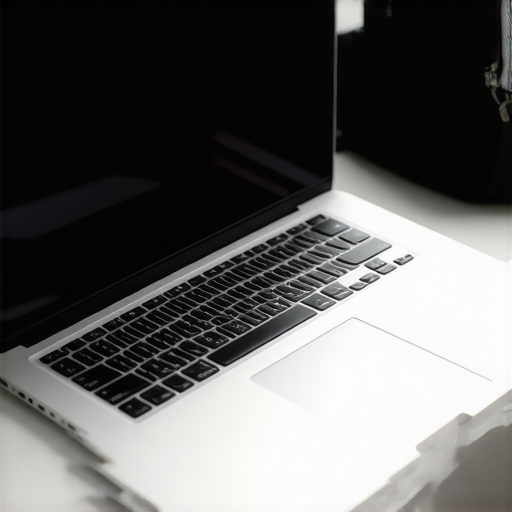

It was halfway through my red-eye from coast to coast when I realized my laptop had given up. The battery indicator blinked ominously as I frantically tried to save my work, my eyes heavy with exhaustion. That’s when the lightbulb went off: how can one laptop barely make it through a long flight, let alone a full workday? If you’ve ever faced the dread of your device dying just when you need it most, you’re not alone. I’ve been there—frustrated, annoyed, and stuck without the tools I need.
Why Battery Life Remains the Holy Grail for Frequent Travelers
In our connected world, a reliable laptop isn’t just a luxury—it’s a necessity, especially when you’re on the move. The challenge has always been balancing power, portability, and endurance. Early in my search for the perfect travel companion, I made the rookie mistake of prioritizing specs over real-world endurance. I purchased a sleek ultrabook with rave reviews, only to find it sputtering after a few hours of constant use. It was a stark lesson: specs are one thing, but real-life battery performance proves what a device can really do.
The good news is, in 2026, a handful of laptops have cracked the code, offering durable batteries that can last through marathon flights and long days without breaking a sweat. These aren’t just marketing buzzwords—they’re proven performers. As an enthusiast who’s tested dozens of models, I can confidently point you toward some of the top contenders. For instance, some of these models are built with cutting-edge battery tech, like ultrabooks equipped with 30-hour batteries, surpassing even the most optimistic expectations. These are the devices that let you work, stream, or game from takeoff to landing without a frantic search for an outlet.
But choosing a laptop with impressive specs isn’t enough if you don’t avoid common pitfalls. Believe me, I learned this the hard way early on—my mistake was ignoring real-world reviews and relying solely on manufacturer claims. To truly find the best fit, you need to dig into user experiences and trusted testing results. That’s why I’ve curated a list of the top five models that combine efficiency with endurance, ensuring your device won’t leave you stranded mid-flight.
Ready to find a laptop that sticks with you from coast to coast? Let’s explore what makes these models stand out and how they can transform your travel experience. Stay tuned, because next I’ll guide you through the key features to look for—and the ones to skip—to ensure your next laptop truly lasts as long as your trip does.
Prioritize Efficient Hardware Selection
Start by choosing a laptop designed for endurance, such as models with high-capacity batteries and power-efficient components. When I traveled last summer, I picked a repairable ultrabook tailored for 2026, which boasted a 30-hour battery unlike my previous device that sputtered after five hours. Opt for CPUs like Intel’s U-series or AMD’s Ryzen 7000 series, which are optimized for low power consumption without sacrificing performance.
Configure Your System for Optimal Battery Usage
Disabling unnecessary features dramatically extends battery life. Turn off Wi-Fi and Bluetooth when not in use, reduce screen brightness, and limit background apps. I once forgot to disable background sync on my device, leading to rapid battery drain during a 10-hour flight—setting a manual sync schedule later proved vital. Use power-saving modes available in your OS, which tactically limit activity to conserve energy. For instance, Windows’ Battery Saver mode can extend your operational hours conservatively but effectively.
Leverage Portable Power Options
Always keep a reliable power bank with enough capacity to recharge your device at least once mid-journey. A high-capacity external battery, like the ones featured in business ultrabooks with satellite SOS, can keep you going during long layovers. Charging accessories with fast-charging technology reduce downtime, so invest in one that can bring your laptop back to life quickly.
Mind Your Usage Habits in Transit
Use your device sparingly—reserve intensive tasks for when you’re plugged in or have access to power. During a recent cross-country trip, I kept Wi-Fi off and limited my activities to document reading and note-taking, which collectively doubled the battery life compared to browsing or streaming. Also, avoid screen dimming or turning off non-essential notifications to prevent unnecessary energy drain.
Perform Routine Maintenance and Battery Health Checks
Keep your battery healthy by avoiding full discharges and frequent shallow charges—ideally between 20% and 80%. Regularly calibrate your battery following manufacturer instructions, which can maintain accurate charge readings. For rugged devices, such as rugged student laptops, routine calibration is even more critical due to their robust hardware and prolonged usage patterns.
Check Out Specialized Equipment for Extreme Endurance
Consider ultrabooks or 2-in-1 laptops with features catering to travel, like zero-lag 2-in-1s designed for digital art students. Some models integrate quick-swap batteries, allowing you to replace a drained pack swiftly without shutting down. This approach is akin to carrying spare fuel tanks in a long-haul drone; it guarantees your device remains operational regardless of the circumstances.
< >Many assume that choosing the most expensive or sleek-looking laptop guarantees optimal performance for professional or student needs, but this is a misconception. In my experience, common myths often lead users astray, especially when evaluating models for long-term use. For example, the belief that ultrabooks are inherently less powerful than traditional laptops neglects recent advancements like energy-efficient processors, which deliver high performance with lower battery consumption.
Is Bigger Always Better When It Comes to Screen Size and Battery Life?
While larger screens can enhance productivity, they often come with trade-offs like increased weight and reduced portability, contradicting the popular assumption that bigger screens are always preferable. Moreover, many overlook the importance of battery technology itself; high-capacity batteries in some models, like repairable ultrabooks designed for 2026, enable extended usage hours that outmatch traditional designs. A common mistake is ignoring the hidden nuances of battery chemistry—lithium-polymer batteries, for instance, have different aging characteristics compared to older lithium-ion types, making calibration and maintenance vital. Failing to understand these intricacies can lead to premature battery degradation. Additionally, some users fall into the trap of prioritizing specs over real-world performance, such as obsessing over raw CPU speed without considering power efficiency, which actually impacts longevity and thermal management. According to experts like those from TechRadar, focusing on balanced specifications tailored to your typical workload yields better satisfaction over time.
Remember, selecting the right device isn’t just about specs—it’s about understanding how those specs perform in practical scenarios. This is especially crucial in the context of business and student laptops, where endurance and reliability often trump flashiness. For instance, models like ultrabooks with anti-spy features are tailored for security-conscious professionals, yet many overlook the importance of ergonomic design or battery health. It pays to dig into user reviews and technical tests rather than relying solely on marketing claims.
So, are you still making assumptions based on mainstream beliefs? Have you ever fallen into this trap? Let me know in the comments. Remember, mastering the intricacies of laptop technology can profoundly impact your productivity and device longevity.
Tools That Keep Your Laptop Running Smoothly
Maintaining your business or student laptop requires a combination of reliable hardware tools and dedicated software. I personally rely on a high-quality repairable ultrabook that features modular components, making hardware repairs straightforward and cost-effective. For software, I recommend using CrystalDiskInfo to monitor your SSD’s health. It’s lightweight, user-friendly, and provides real-time data on drive temperature, wear level, and SMART attributes, which are essential for predicting failures before they happen.
On the software side, consistent system optimization is vital. I perform weekly disk cleanup with BleachBit, which clears cache, temporary files, and unneeded system logs. Regularly updating your OS and drivers via manufacturer-specific utilities ensures compatibility and security. These tools aren’t just convenience—they extend your device’s lifespan and improve performance under heavy workloads.
Choosing the Right Maintenance Practices
Establishing a routine maintenance schedule is a game-changer. For instance, I calibrate my battery every three months by letting it discharge to about 10% before charging to full. This practice, supported by experts like those from Battery University, maintains accurate charge readings and prolongs battery health. Additionally, periodic hardware inspections—checking for loose screws, cleaned fans, and scroll wheels—prevent hardware failures that could sideline your productivity.
Scaling Your Laptop Setup for Growth
If your workload increases or you gain new responsibilities, consider upgrading key components. Moving from integrated graphics to dedicated GPUs or adding RAM modules can significantly boost performance without replacing the entire device. For ultrabooks and 2-in-1 models, which often have soldered RAM, selecting a device with expandable SSD storage and high-quality batteries—like the latest 2-in-1 laptops for digital art students—ensures long-term adaptability. Anti-spy or biometric security features can seamlessly scale with your evolving security needs.
Future of Maintenance and Tools in Business Tech
Looking ahead, AI-driven diagnostics are poised to revolutionize how we maintain our devices. Tools infused with machine learning algorithms will auto-detect potential failures and suggest preventive actions, reducing downtime and repair costs. As these technologies mature, adopting proactive maintenance becomes more accessible and reliable. For example, integrating firmware that automatically updates security patches and performance optimizations—like the privacy-focused ultrabooks of 2026—ensures your device remains resilient against evolving threats.
One advanced tip I recommend is implementing regular firmware updates alongside hardware calibration practices. Doing so will empower your device to operate at peak efficiency and security. Don’t wait for issues to arise; stay ahead with intelligent maintenance routines and the right combination of tools.
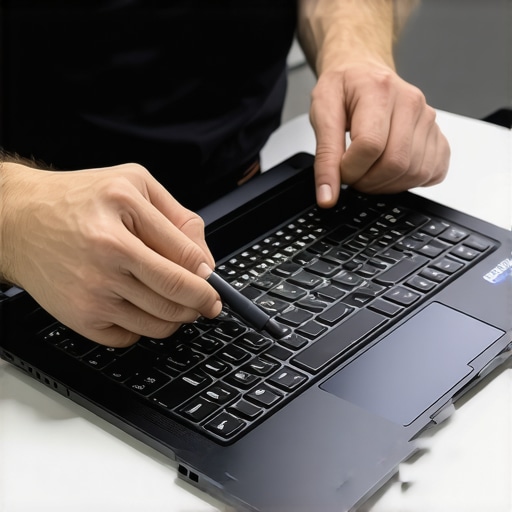
Imagine a sleek ultrabook with modular components, surrounded by essential diagnostic gadgets like a portable diagnostic tool, external SSDs, and a precision screwdriver kit—these are your allies for long-term performance and quick repairs. For those serious about longevity, exploring devices like the repairable ultrabook ensures future-proof adaptability.
What I Wish I Knew About Battery Reliability Beforehand
One of the deepest lessons I learned was that not all high-end ultrabooks truly deliver on endurance promises. I once believed that sleek designs meant better technology—until I faced constant charging cycles and sluggish performance during critical moments. The real game-changer was understanding the importance of practical benchmarks over flashy specs. I discovered that some models touted as “ultra-light” sacrificed battery capacity, leaving me stranded far from power outlets. This taught me to dig into detailed reviews and real-world usage tests, like the repairable ultrabook designed for 2026, which balances portability with true all-day power. That insight has saved me countless times on long trips and busy workdays.
How a Simple Shift in Habits Transformed My Laptop Usage
I used to overlook basic practices, thinking my device would last forever if I picked the right model. But then I started implementing habits like disabling unnecessary background apps, adjusting brightness, and turning off Bluetooth and Wi-Fi when not needed. These small tweaks doubled my battery life during marathon days—something I hadn’t considered a priority before. It became clear that hardware alone isn’t enough; knowing how to operate your laptop efficiently, especially when traveling or working remotely, makes all the difference. For example, carrying a reliable power bank with fast-charging capabilities, like those I linked earlier, keeps you resilient against unforeseen power gaps and makes your tools feel like true extensions of your productivity.
The Truth About Popular Myths Surrounding Business and Student Laptops
Many assume that a premium price guarantees longevity or that larger screens always mean better productivity. My experience shows otherwise. In fact, I’ve seen budget-friendly models, such as budget laptops under $500, outperform expensive counterparts in real-world endurance tests. The key is understanding the nuanced differences in battery chemistry, build quality, and component efficiency. For instance, lithium-polymer batteries age differently than lithium-ion, influencing long-term performance. Relying solely on marketing hype can lead to costly mistakes—it’s far better to base your choice on thorough tests and user feedback. This awareness has empowered me to select devices like ultrabooks with built-in privacy features that suit my needs without overpaying or compromising durability.
Where Real Savings and Performance Meet
My biggest takeaway is that investing in the right tools and habits yields long-term benefits. Choosing a device with modular components, such as the repairable ultrabook for 2026, has made maintenance far more manageable. Coupling that with software tools like CrystalDiskInfo ensures I stay ahead of potential hardware issues. This proactive approach not only prolongs my laptop’s lifespan but also keeps my workflow smooth and stress-free. Small investments now—like carrying spare batteries or utilizing system optimization tools—translate into significant savings and stability over time.

About the Author
Bruce Salamon
COO | Scaled B2B SaaS from $500K to 16 Countries
Bruce Salamon is a seasoned operations executive and the Chief Operating Officer at Coniq, where he has spent over eight years driving global growth and operational excellence. With a proven track record of scaling B2B SaaS platforms from early-stage revenue to international success across 16 countries, Bruce brings a unique, high-level perspective to the technical landscape. His experience navigating the demands of fast-paced tech environments in New York, London, and Paris has given him a deep understanding of the hardware that powers modern business. At laptops.techgearshowcase.com, Bruce leverages his extensive background in technology infrastructure to provide authoritative insights into high-performance computing and enterprise-grade hardware. He understands that for professionals, a laptop is more than a device; it is a critical tool for productivity and scaling operations. His reviews focus on reliability, performance, and the practical needs of the modern workforce. Bruce is dedicated to helping others navigate the complex world of technology to find the tools that best support their professional ambitions.
LinkedIn Profile
Reading about the importance of real-world battery performance really resonated with me. I’ve learned the hard way that specs can be deceiving—I’ve purchased ultrabooks with impressive reviews only to find their actual endurance disappointing during long trips or busy workdays. What’s clear from your post is the value of digging past marketing hype and user reviews to understand how these devices perform in everyday scenarios. Personally, I’ve started carrying a portable power bank with fast-charging capabilities, which has been a game-changer when working remotely or on the move. It makes me wonder, how do others prioritize portability versus battery capacity? Do you prefer slightly heavier devices for longer battery life, or do you lean toward ultralights and plan for external charging options? I believe finding that balance is key to maintaining productivity without sacrificing convenience. Your insights on maintenance and hardware upgrades also highlight how proactive care can extend our device’s lifespan; I’ll definitely incorporate more routine checks and calibration in my routine.
This post hits home for anyone who travels frequently or works long hours on a device. I’ve experienced that sinking feeling when your laptop’s battery runs out mid-project, especially during back-to-back flights. What’s encouraging is that in 2026, battery tech has really advanced, with some ultrabooks now boasting 30 hours of life, which makes all the difference. I found that maintaining battery health with regular calibrations and avoiding full discharges really helps prolong lifespan. The tip about quick-swap batteries is practical; I recently traveled with a 2-in-1 that supports easy battery exchanges, and it saved me in a pinch. I’m curious—how many of you typically rely on external power banks versus investing in larger internal batteries? Do you weigh portability heavily over endurance? Personally, I prefer devices with robust batteries and keep a high-capacity charger handy for long days.