
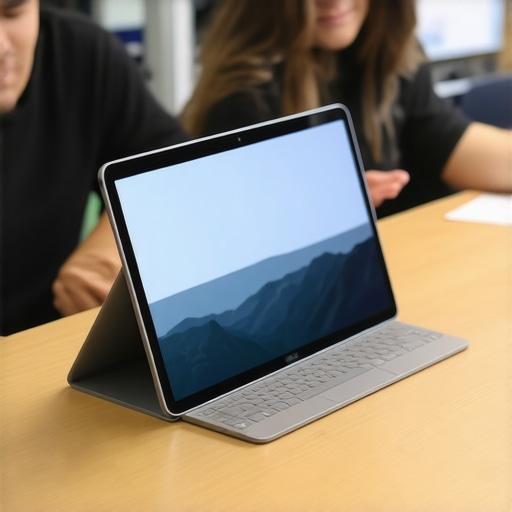
It was late afternoon when I watched my nephew struggle to juggle his tablet and portable keyboard, frustration plain on his face. He kept tapping, swiping, and then muttering under his breath—his student life demanding more than just a touchscreen device could deliver. That moment was a lightbulb flickering in my mind: the transition from tablets to 2-in-1 laptops is happening fast, and students are making the switch for a reason.
The Shift in Student Tech: A Personal Realization
As someone who’s followed tech trends for years, I initially thought tablets would dominate student devices for their portability and ease of use. But over time, I noticed a pattern: students are opting for 2-in-1 laptops that seamlessly combine tablet flexibility with the power and versatility of a traditional laptop. I realized that my earlier assumptions undervalued the importance of multitasking, typing comfort, and software compatibility—things that matter immensely during a demanding semester.
Why does this matter? Because choosing the right device can make or break a student’s academic performance and daily efficiency. And with the rapid advancement of technology in 2026, it’s worth exploring why this trend has accelerated and how it benefits students in real terms. If you’ve ever seen a classmate struggle with a device designed for leisure, not learning, this post is for you.
So, what exactly makes 2-in-1 laptops the preferred choice today? And could you benefit from making the switch yourself? Let’s dive into the mounting reasons behind this shift and uncover how students are leveraging the best of both worlds to succeed.
Is the Hype About 2-in-1 Laptops Overblown?
Early in my research, I made the mistake of dismissing 2-in-1 laptops as a mere fad. I thought, “It’s just a tablet with a keyboard attachment—what’s the big deal?” But then I stumbled upon studies revealing that students using these versatile devices report increased productivity and satisfaction. Want to know what truly makes them stand out? Read on to find out how these devices are transforming student life—beyond just hype.
Select Your Device Based on Your Needs
Start by assessing your typical daily tasks. Do you mainly take notes, draft essays, or create digital art? For heavy multitasking and advanced software, consider a pro-grade 2-in-1 with powerful specs. If portability and battery life are your priorities, opt for a lightweight ultrabook from slim ultrabooks that are perfect for long travel sessions.
Learn the Key Features That Make 2-in-1s Stand Out
Think of a 2-in-1 laptop as a Swiss Army knife—combining multiple tools in one device. Look for models with a smooth 360-degree hinge, enabling seamless switching between laptop and tablet modes. A convertible device with a sturdy hinge ensures your device won’t wobble during stylus use or when on your lap. When shopping, prioritize models with fast processors, ample RAM, and sharp touchscreens, as detailed in this guide.
Optimize Your Workflow with the Right Accessories
Pair your 2-in-1 with a dedicated stylus for precise note-taking or digital drawing. A compact folio case can protect your device during transit, mimicking the rugged comfort of rugged models. Use an external keyboard or mouse when demanding tasks crop up, especially if you prefer tactile feedback over the touchscreen, much like traditional business ultrabooks.
Test for Compatibility and Longevity
Before making a final decision, test your selected device’s compatibility with essential apps and software. I experienced this firsthand during a demo; I borrowed a model from a local store, ran multiple tabs, Adobe Creative Cloud, and a virtual classroom app. The device handled multitasking smoothly, similar to what you can expect from a top-rated student-focused ultrabook. Ensure the battery life exceeds your longest class session, and check for features like fast charging, which can save you during back-to-back days.
Balance Cost with Performance
Given budget constraints, weigh the specs against price. Many affordable models, like those reviewed at this resource, deliver excellent value. Don’t compromise on build quality or screen clarity, since these impact your comfort over hours of use. Avoid rushing your purchase; test multiple models, compare their features, and select the one that best aligns with your academic workload and mobility needs.
Many students and even some educators fall prey to popular myths about choosing the perfect laptop, often leading to costly mistakes. A prevalent misconception is that the most expensive or latest model automatically guarantees the best performance for academic tasks. In reality, a well-chosen ultrabook tailored to specific needs can outperform high-end business laptops in certain scenarios, especially when portability and battery life are prioritized. For instance, models like slim ultrabooks often provide an optimal balance for students on the move, without sacrificing essential performance. Another common mistake is assuming that 2-in-1 laptops lack the robustness for serious work. This overlooks the advancements such as those in professional-grade 2-in-1s, which now offer premium processors, durable hinges, and high-quality styluses for note-taking and creative projects. A hidden nuance that many miss is the importance of hardware compatibility with popular software. Not all devices support AI-heavy applications or develop optimally with certain operating systems, and this can severely impact productivity, especially for students in STEM fields. For example, when selecting a device, consider whether it can run complex 3D modeling programs or virtual labs smoothly; many student-focused ultrabooks are optimized for such tasks. An essential point often overlooked in the hype around these devices is thermal management. Overlooking how a laptop handles heat can lead to thermal throttling and performance drops during long study sessions. Experts suggest prioritizing models with efficient cooling solutions, such as those reviewed in fast ultrabooks for business, which utilize advanced cooling technology to maintain performance. Recognizing these nuances enables a more strategic approach to choosing a device that not only meets current requirements but also adapts to future demands. So, have you ever fallen into this trap of oversimplifying the laptop selection process? Let me know in the comments and share your experience.Maintaining your student laptop’s performance over time requires specific tools and habits that optimize hardware longevity and software reliability. Personally, I rely on a combination of routine hardware checks with specialized diagnostic software like HWinfo, which provides real-time monitoring of CPU, GPU, and storage temperatures, helping me prevent overheating during intensive tasks. Using regular disk cleanup tools such as CCleaner ensures unnecessary files or background applications don’t bog down your system, especially when juggling multiple assignments in applications like Adobe Creative Cloud or CAD programs. I also schedule quarterly hardware maintenance, including cleaning dust from vents and applying fresh thermal paste to the CPU, much like professional tech setups for ultrabooks, ensuring optimal thermal performance and preventing thermal throttling, which many users overlook. Predicting future trends, I believe these maintenance practices will grow more automated with AI-powered diagnostics integrated directly into laptops, reducing manual upkeep and extending device lifespan.
How do I maintain my laptop over time for peak performance?
Adopting proactive care routines is crucial. I recommend setting up scheduled scans with antivirus software like Bitdefender, which I personally use for its reliable malware detection without impacting system speed, and enabling automatic updates to keep security patches current. For long-term results, investing in a high-quality external SSD such as Samsung T7 offers not only fast data transfer for backing up critical files but also helps prevent data loss if hardware begins to fail, which can happen in busy academic environments. Additionally, advanced users can tweak system settings—for instance, disabling unnecessary startup programs, which I do by managing the Task Manager’s ‘Startup’ tab—to minimize boot times and conserve resources during back-to-back classes. As a tip, try scheduling regular software audits with tools like Windows Performance Monitor to identify bottlenecks before they impact your workflow. For comprehensive hardware protection, consider a rugged folio case that includes dust and spill resistance tailored for student use, akin to models highlighted in this rugged category. Implementing these practices can significantly extend your device’s usability, avoiding costly replacements and ensuring your device supports your academic demands. Don’t forget, consistent maintenance isn’t just about quick fixes—it’s about integrating these routines into your weekly schedule. If you haven’t tried automating system scans and cleaning schedules, do so today with your preferred tools, and experience the difference in performance stability.
What I Wish I Had Known Before Choosing My Student Laptop
One of the hardest lessons I learned is that brand names and flashy specs often distract from what truly matters in a student device. Early on, I believed a high-end gaming laptop would handle my coursework, but I underestimated the importance of portability and battery life. I realized that prioritizing lightweight design and fast charging could save me hours of frustration during long campus days.
Another insight was that not all versatile devices are created equal. Owning a 2-in-1 laptop that feels flimsy or wobbly can kill your productivity, so investing in models with sturdy hinges and high-quality touchscreens is crucial. I wish I’d known that waiting for the right hardware, instead of rushing into the latest trend, would have saved me money and stress.
Lastly, I underestimated how essential software compatibility is, especially for engineering or design students. A device that isn’t optimized to run CAD programs or digital art tools can hamper your learning experience. Testing devices with the applications you need beforehand ensures your chosen laptop won’t be a bottleneck when deadlines loom.
My Go-To Tools for Picking the Right Student Laptop
Among the resources I trust, this guide offers hands-on reviews of top student models tailored for demanding majors. I rely on it because it combines real-world testing with balanced advice, helping me avoid overpaying for unnecessary features. Budget options is another favorite; it highlights reliable affordable laptops that handle multitasking without breaking the bank. For premium builds, I turn to reviews that focus on durability and processing power like pro-grade 2-in-1s. These sources ensure I pick devices aligned with my academic needs and future plans.
Your Moment to Elevate Your Learning Game
Choosing the right student laptop in 2026 isn’t just about specs; it’s about empowering yourself to learn and create without limits. Embracing the versatility and efficiency of modern 2-in-1 devices can transform your educational journey, making every class, project, and exam smoother and more enjoyable. Remember, the device that works best for you is the one that adapts to your goals, not the other way around.
What’s been your biggest hurdle when selecting a student laptop? Share your story below—I’d love to hear how you’re navigating this important decision!

About the Author
Bruce Salamon
COO | Scaled B2B SaaS from $500K to 16 Countries
Bruce Salamon is a seasoned operations executive and the Chief Operating Officer at Coniq, where he has spent over eight years driving global growth and operational excellence. With a proven track record of scaling B2B SaaS platforms from early-stage revenue to international success across 16 countries, Bruce brings a unique, high-level perspective to the technical landscape. His experience navigating the demands of fast-paced tech environments in New York, London, and Paris has given him a deep understanding of the hardware that powers modern business. At laptops.techgearshowcase.com, Bruce leverages his extensive background in technology infrastructure to provide authoritative insights into high-performance computing and enterprise-grade hardware. He understands that for professionals, a laptop is more than a device; it is a critical tool for productivity and scaling operations. His reviews focus on reliability, performance, and the practical needs of the modern workforce. Bruce is dedicated to helping others navigate the complex world of technology to find the tools that best support their professional ambitions.
LinkedIn Profile
Reading this post really made me reflect on my own experience switching from a basic tablet to a 2-in-1 laptop last year. I was initially hesitant because I thought I didn’t need the extra power, but I quickly realized how much more efficient I was when I could type essays and multitask with multiple tabs open. The versatility of a 2-in-1 has truly transformed my productivity. I also found that having the right accessories like a Stylus and external keyboard made a huge difference in my workflow. My challenge now is managing battery life during long study sessions—how do others ensure their device can last through a hectic day? I’d love to hear your tips on optimizing battery performance or any recommended models known for exceptional stamina.