

I remember the moment vividly—standing in a crowded airport, my old laptop struggling to keep up. The weight, the sluggish performance, and the constant fear of losing my work due to a sudden crash. It hit me hard: I needed a device that could handle my busy travel schedule without turning my bag into a brick. That lightbulb moment set me on a quest to find the perfect 2-in-1 laptop that balances power, portability, and versatility. And trust me, the options in 2024 are more impressive than ever.
Why Choosing the Right Laptop Can Make or Break Your Travel Experience
In today’s fast-paced world, your laptop isn’t just a tool—it’s your office, your entertainment hub, and sometimes even your social connection. If you’ve ever lugged around a bulky machine, or worse, sacrificed performance for portability, you know how frustrating it can be. The good news? The market now offers a range of ultra-portable ultrabooks and 2-in-1 devices designed specifically for busy professionals and students on the move.
But here’s the catch—many early in my search made the mistake of prioritizing size over power or ignoring the importance of battery life. That meant I’d buy a sleek device, only to find it dying mid-meeting or failing to run the apps I rely on. According to a recent study by TechRadar, nearly 60% of remote workers say they need a laptop that’s both lightweight and capable—yet many still settle for compromises. That’s why I want to help you avoid my pitfalls and find a device that truly fits your travel lifestyle.
Is the 2-in-1 Laptop Worth the Hype for Business Travel?
Early on, I was skeptical about whether a convertible could truly match the performance of a traditional laptop. I thought, “Can this really handle my work tasks and still be portable?” I learned the hard way that not all 2-in-1s are created equal—some are underpowered, others lack durability. My mistake was choosing based solely on style, not specs. Today, I’ll guide you through the best options and what features truly matter. Ready to upgrade your travel game? Let’s dive into the details and find the perfect device that won’t let you down on the road.
Prioritize Your Core Needs First
Start by listing your essential work requirements—whether it’s processing power, battery life, or portability. I once bought a sleek 2-in-1 that looked great but struggled with my Adobe Photoshop files during a trip. By clearly defining my must-haves—like a fast SSD and at least 16GB RAM—I avoided similar mistakes in my next purchase. Check out the top ultrabooks for travel and productivity to match your needs with real-world options.
While many believe that the most important factor in selecting a 2-in-1 laptop for travel is its size or weight, this is a misconception that can lead to costly mistakes. The real nuance lies in understanding how different features interact and which ones truly impact your workflow and travel experience. Let’s dig deeper into what most people get wrong and how to avoid these pitfalls.
Why Bigger Isn’t Always Better for Performance
One of the biggest myths is that a larger 2-in-1 device automatically offers better performance. In reality, manufacturers often prioritize portability over raw power in ultrabooks and convertibles. This can result in devices that feel snappy during browsing but struggle with demanding applications like Adobe Photoshop or multiple browser tabs. The key is to look beyond the size and focus on specs like CPU, RAM, and storage options. For example, a compact device with an Intel Core i7 and 16GB RAM can outperform a larger, less capable machine. For in-depth comparisons and recommendations, check out the top ultrabooks for travel and productivity.
Battery Life Is Not Just About Capacity
Many assume that a larger battery capacity guarantees longer usage. However, efficiency depends heavily on the device’s hardware and software optimization. A device with a larger battery but a weaker processor or poorly optimized display can still run out of juice quickly. Conversely, a well-optimized ultrabook with a smaller battery can last longer if it uses energy-efficient components. Don’t fall for the trap of just checking milliamp hours (mAh); instead, look for independent reviews on real-world battery performance. This is especially critical for frequent travelers who rely on their device for hours without access to charging. For tailored advice, explore the best portable laptops for travel in 2024.
Screen Size and Resolution: Balance Is Key
It’s tempting to choose a device with the highest resolution possible, thinking it will enhance productivity. But higher resolution screens consume more power and can make interfaces appear smaller, leading to eye strain. The sweet spot often lies in Full HD (1920×1080) displays that are sharp enough for most work tasks while preserving battery life. Additionally, consider the display’s size—too small, and productivity suffers; too large, and portability diminishes. Advanced users might consider high-refresh-rate screens for smoother multitasking, but this feature is often unnecessary for most business travel needs. For more on selecting the right display, visit the top ultrabooks for travel and productivity.
Are 2-in-1 Devices Truly Durable for Travel?
This is a common concern among advanced users. Many believe that the convertible hinge or touchscreen makes a device more fragile. While some budget models may lack durability, high-quality 2-in-1s are built with robust hinges and reinforced chassis. It’s essential to check reviews and manufacturer specifications to ensure your chosen device can withstand the rigors of travel. Investing in a protective case can also extend the lifespan of your device. For expert recommendations, see the top business student ultrabooks for travel.
Have you ever fallen into this trap? Let me know in the comments. Remember, selecting the right 2-in-1 laptop is about balancing specs, durability, and your specific needs—don’t just go for the trendiest or lightest device. By understanding these nuances, you’ll make smarter choices that keep you productive and stress-free on the road.
Investing in a high-quality 2-in-1 laptop is just the beginning; maintaining it over time is crucial to ensure consistent performance and durability. I’ve found that implementing specific tools and routines can dramatically extend the lifespan of your device, saving you money and frustration in the long run.
How do I maintain my 2-in-1 laptop over time?
One of my go-to practices is regular software updates. These updates often include security patches, bug fixes, and performance improvements that keep your device running smoothly. I set my laptop to automatically install updates overnight, ensuring I never miss essential patches without disrupting my workflow.
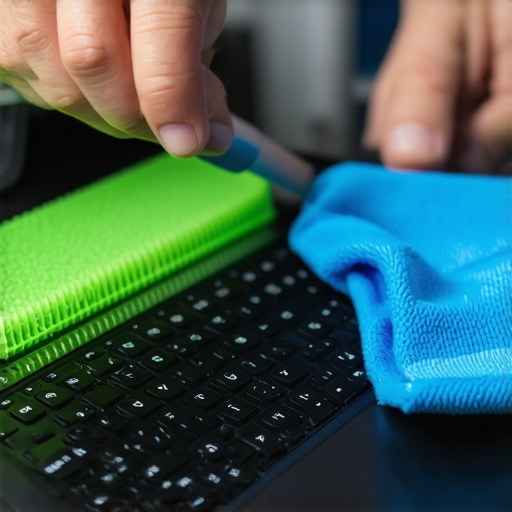
Physical maintenance is equally vital. I use a microfiber cloth and compressed air to keep the keyboard, vents, and ports free of dust and debris. This simple routine prevents overheating and hardware issues down the line. For instance, I once neglected my vent cleaning, which caused my device to throttle performance due to heat buildup. A quick routine with compressed air prevented this from recurring.
For software health, I rely on tools like CrystalDiskInfo for monitoring SSD health and Malwarebytes for malware scans. These tools give me insights into hardware status and security threats, allowing proactive interventions. I personally check my disk health monthly and run malware scans weekly, which helps me catch potential issues before they escalate.
Battery longevity is another aspect I focus on. I calibrate my battery quarterly by fully charging and discharging it to reset the power management system. Additionally, I avoid leaving my device plugged in constantly, as this can degrade the battery over time. Instead, I keep the charge between 20% and 80% for optimal health. These habits have helped my battery last well beyond the typical two-year mark.
Looking ahead, I believe these maintenance routines will evolve with smarter hardware. Future laptops may include built-in diagnostics and AI-driven maintenance alerts, making it even easier to care for your device. Until then, taking a proactive approach with current tools remains the best strategy.
Try integrating a routine using tools like recommended monitoring software and physical cleaning. A little effort now can save you from costly repairs later and keep your device performing at its best for years to come.
The Hardest Lesson I Learned About Choosing a Travel Laptop
One of my biggest realizations was that a device’s durability often trumps sleekness. Early in my journey, I prioritized ultra-lightweight designs, only to find them fragile and prone to damage. Now, I know that a robust hinge and sturdy chassis can save you from costly repairs and frustration on the go. This insight saved me from repeated setbacks and helped me focus on quality over style.
My Essential Toolkit for Travel-Ready Laptops
I trust tools like top ultrabooks for travel and productivity because they combine real-world performance with portability. Additionally, I rely on trusted reviews of 2-in-1 devices that help me make informed choices. These resources keep me updated on the latest hardware improvements and innovative features that truly benefit travelers like us.
Believe in Your Power to Travel Smarter
Choosing the right 2-in-1 laptop isn’t just about specs—it’s about empowering yourself to stay productive and stress-free wherever you go. With the right device, you can turn travel challenges into opportunities for growth. Now is the perfect time to assess your needs, explore the best options, and take action towards a smoother, more efficient travel experience. Remember, your next great adventure begins with a device that works as hard as you do.

About the Author
Bruce Salamon
COO | Scaled B2B SaaS from $500K to 16 Countries
Bruce Salamon is a seasoned operations executive and the Chief Operating Officer at Coniq, where he has spent over eight years driving global growth and operational excellence. With a proven track record of scaling B2B SaaS platforms from early-stage revenue to international success across 16 countries, Bruce brings a unique, high-level perspective to the technical landscape. His experience navigating the demands of fast-paced tech environments in New York, London, and Paris has given him a deep understanding of the hardware that powers modern business. At laptops.techgearshowcase.com, Bruce leverages his extensive background in technology infrastructure to provide authoritative insights into high-performance computing and enterprise-grade hardware. He understands that for professionals, a laptop is more than a device; it is a critical tool for productivity and scaling operations. His reviews focus on reliability, performance, and the practical needs of the modern workforce. Bruce is dedicated to helping others navigate the complex world of technology to find the tools that best support their professional ambitions.
LinkedIn Profile
Reading this post really resonated with my own experiences during travel. I used to carry a bulky, underpowered laptop, which made my trips more stressful than they needed to be. Since switching to a well-chosen 2-in-1 device, my workflow has become much smoother, especially with models that balance lightweight design and robust performance. I totally agree that focusing solely on size can be misleading—speculative specs can often overshadow real-world usability.
One challenge I faced was battery life, particularly when working through long layovers without access to charging. I found that energy-efficient hardware and discrete testing of battery performance in real-world scenarios make a huge difference. Have others found particular brands or models that excel in real-world battery endurance? It’d be great to share insights that go beyond manufacturer claims.
Your post really hits home, especially the part about the importance of durability in travel laptops. I used to think that ultra-lightweight meant sacrificing sturdiness, but lately, I’ve been eyeing models with reinforced chassis and protective hinges. My current device has survived some rough handling, and it’s made a huge difference in peace of mind during trips. I also agree that focusing on core features such as CPU performance and battery life is essential—getting caught up in high-resolution screens or aesthetic appeal can lead to overlooking practical needs.
Regarding battery endurance, I’ve found that real-world tests, like running my usual workloads without charging, are more insightful than manufacturer specs. Do you or others here have recommendations for specific brands or models that consistently excel in battery life under demanding travel conditions? It would be great to hear some personal experiences on this, especially from those who travel frequently across different environments.
This post really hits the nail on the head about the importance of balancing performance and portability. I’ve learned from personal experience that a device with robust specs but poor build quality can end up being more of a headache than a help, especially when traveling. Durability has been my biggest concern, and I now prioritize models with reinforced chassis and strong hinges. Regarding battery life, I’ve found that models equipped with energy-efficient processors and well-optimized software tend to outperform their specs in real-world use. Have others here tried using external battery packs or portable chargers as a backup during long travel days? That’s a game-changer, especially when working on the go. Any recommendations for reliable accessories that don’t add much bulk? Looking forward to hearing everyone’s tips on maintaining productivity without sacrificing device resilience.
I completely relate to the importance of balancing performance and portability when choosing a travel laptop. I’ve personally found that investing in a device with a durable chassis and good battery life can make travel much more manageable. It’s easy to get tempted by the thinnest models, but I’ve learned the hard way that resilience is key, especially with frequent travel. I recently upgraded to a convertible with a reinforced hinge and a ruggedized exterior, and it’s made a noticeable difference in my peace of mind.
Regarding battery life, I’ve had great success using a high-capacity portable charger that supports quick charging. It’s a real saver on long trips or in locations where charging options are scarce. Do others have favorite portable chargers or accessories that help keep their devices ready for work at all times? Insights on lightweight, reliable options would be much appreciated. Looking forward to hearing everyone’s personal tips for staying productive on the go.
Reading this post really brings back my own experiences with travel gadgets. I used to carry a bulky laptop that drained my bag and my patience, especially when I was in a hurry at airports or between meetings. Since switching to a lightweight, rugged 2-in-1 model, I’ve noticed a huge difference—not just in terms of convenience, but also in overall productivity. The point about focusing on specs like CPU and battery life instead of just size is so true; I’ve faced issues with underpowered devices that couldn’t handle multitasking efficiently.
One thing I’ve found helpful is investing in a good protective case and some screen armor to prevent scratches and minor bumps. Do others use specific brands or accessories that enhance durability? Also, I’d love to hear recommendations for portable chargers that can keep a power-hungry device running all day without adding bulk. Navigating the balance between performance and portability really is the key to travel success.